
Unlocking the Culinary World of Mealworms: What Do Mealworms Eat?
Table of Contents:
- Natural Diet of Mealworms
- Commercial Mealworm Diets
- Fruits and Vegetables
- Protein Sources
- Calcium-Rich Foods
- Moisture Content
- Avoiding Toxic Foods
- Conclusion
1. Natural Diet of Mealworms:
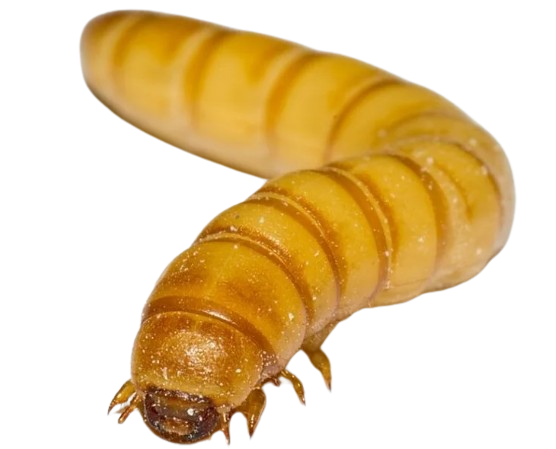
In their natural habitat, mealworms are scavengers, feasting on decaying plant matter, leaves, and other organic debris. They play a crucial role in breaking down dead and decaying materials, contributing to the ecosystem’s natural recycling process. We expect that after reading this, you would have an adequate knowledge of what do mealworms eat.
2. Commercial Mealworm Diets:
For those who raise mealworms at home or in larger quantities for various purposes, providing a balanced and nutritious diet is essential. Mealworm farmers must have a basic knowledge of what do mealworms eat. Commercially available mealworm feed is often a blend of grains, cereals, and protein sources. Wheat bran, oats, and various grains are common components, ensuring the mealworms receive the necessary nutrients to thrive.
3. Fruits and Vegetables:
Mealworms readily consume fruits and vegetables, making them an excellent option for kitchen waste recycling. Fruits like apples, carrots, and potatoes are favorites among mealworms. These food sources not only supplement their nutritional needs but also contribute to the moisture content essential for their well-being.
4. Protein Sources:
Mealworms are high-protein insects, making them a valuable source of nutrition for animals and even humans. As we know, there are many countries where mealworms-based foods are gaining popularity. To enhance their protein content, it’s common to include additional protein sources in their diet. This can include fish meal, soybean meal, or other protein-rich supplements. This protein boost is particularly beneficial for those who incorporate mealworms into animal feed.
5. Calcium-Rich Foods:
Calcium is crucial for the development of mealworms, especially during their pupal stage when they transform into beetles. Providing sources of calcium, such as crushed eggshells or calcium supplements, ensures strong exoskeleton formation and overall health.
6. Moisture Content:
Maintaining an optimal moisture level is vital for the health and development of mealworms. While they can derive some moisture from their food, additional water sources like sliced fruits or vegetables can be added to their environment. However, it’s crucial to strike a balance, as excessive moisture can lead to mold growth, which is harmful to mealworms. It is important to know what do mealworms eat.
7. Avoiding Toxic Foods:
While mealworms are robust eaters, it’s important to avoid toxic foods that can harm them. Citrus fruits, onions, and certain types of greens may not be well-tolerated by mealworms and should be excluded from their diet.
8. Conclusion:
Understanding what do mealworms eat is key to successfully raising them for various purposes. Whether you’re using them as a protein-rich treat for your pets, a sustainable animal feed source, or even exploring the culinary world by incorporating them into your diet, providing a well-balanced and varied diet ensures healthy and thriving mealworms.
As these little larvae continue to gain popularity for their versatility and sustainability, their dietary preferences will likely continue to evolve and be explored in various fields.