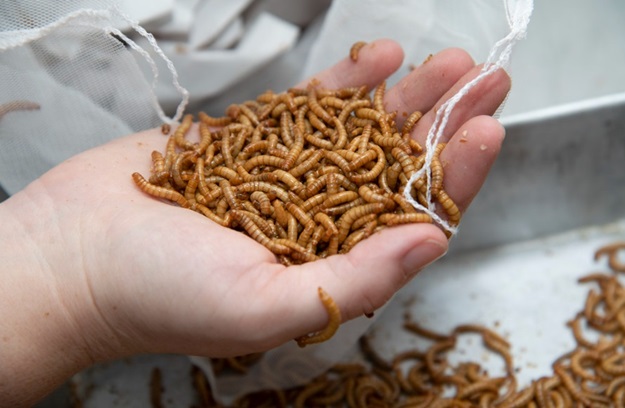
Exploring the Benefits: Mealworms as Pet Food
Table of Contents:
- Introduction
- Nutritional Value of Mealworms
- Why Choose Mealworms for Your Pets
- How to Incorporate Mealworms into Your Pet’s Diet
- Common Pets That Enjoy Mealworms
- Considerations and Precautions
- Mealworms: A Sustainable and Nutrient-Rich Pet Treat
- Conclusion
1. Introduction:
Pets, whether furry, scaly, or feathery, hold a special place in our hearts. As responsible pet owners, we strive to provide them with the best care and nutrition. So, mealworms as pet food are one of the best options. One increasingly popular and nutritious option for pet treats is mealworms. These little larvae, the juvenile form of darkling beetles, pack a punch when it comes to nutritional value, making them an excellent addition to your pet’s diet. In this blog, we’ll explore the benefits of incorporating mealworms as pet food, discussing their nutritional value, suitable pets, and how to introduce them safely into your pet’s diet.
2. Nutritional Value of Mealworms:
Before delving into the specifics of why mealworms make excellent pet treats, let’s take a closer look at their nutritional profile. Mealworms are rich in protein, essential amino acids, vitamins, and minerals. They are a natural source of healthy fats, including omega-3 and omega-6 fatty acids. Additionally, mealworms provide a good dose of dietary fiber, promoting digestive health in your pets.
3. Why Choose Mealworms as Pet Food:
a. Protein Powerhouse:
- Mealworms are a fantastic source of high-quality protein, essential for muscle development and overall health in pets.
b. Essential Nutrients:
- Packed with vitamins and minerals, mealworms contribute to your pet’s overall well-being. They contain B vitamins, zinc, and iron, among other essential nutrients.
c. Promotes Healthy Fur and Feathers:
- The omega-3 and omega-6 fatty acids in mealworms contribute to healthy skin and coat for furry friends and glossy feathers for birds.
d. Enriching Treats:
- Mealworms serve as engaging and enriching treats, providing mental stimulation and a rewarding experience for your pets during training sessions.
4. How to Incorporate Mealworms into Your Pet’s Diet:
a. Pet-Safe Mealworms:
- Ensure you are using mealworms specifically intended for pet consumption. Avoid those treated with pesticides or other harmful substances.
b. Fresh or Dried Mealworms:
- Mealworms are available in both fresh and dried forms. While fresh mealworms can be a delightful treat, dried mealworms offer convenience and a longer shelf life.
c. Mixing with Regular Food:
- Gradually introduce mealworms into your pet’s diet by mixing them with their regular food. This helps them acclimate to the new treat.
d. Moderation is Key:
- While mealworms are nutritious, moderation is crucial. Treats should complement a balanced diet rather than replace it entirely.
5. Common Pets That Enjoy Mealworms:
a. Dogs:
- Many dogs love the taste and texture of mealworms. These can be used as training treats or a special reward.
b. Cats:
- Some cats are intrigued by the movement of mealworms and may find them to be a satisfying and entertaining treat.
c. Birds:
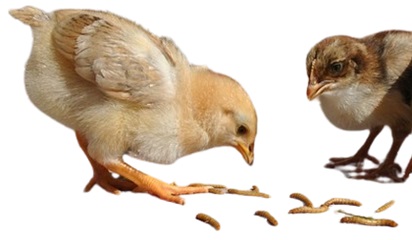
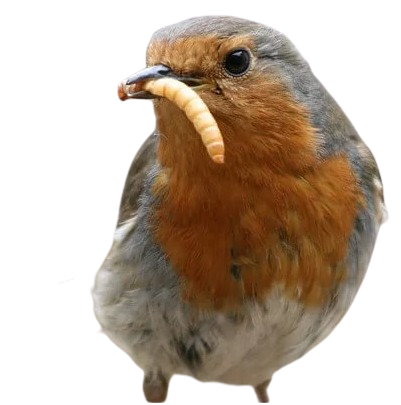
- Small birds, such as parakeets and finches, enjoy pecking at dried mealworms. Larger birds, including parrots and chicken, can benefit from the nutritional boost.
d. Fish:
- Many fish like to eat mealworms as their food source. Even fish in aquariums and in fish forms like to eat various kind of mealworms.
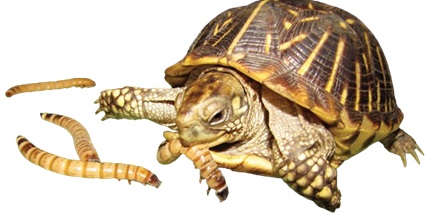
e. Reptiles:
- Many reptiles, such as bearded dragons and certain species of turtles & tortoises, appreciate mealworms as part of their routine diet.
6. Considerations and Precautions:
a. Allergies:
- Be mindful of any potential allergies your pet may have. Introduce mealworms slowly and observe for adverse reactions.
b. Size Matters:
- Tailor the size of mealworms to your pet’s size. Large dogs may handle bigger treats, while smaller animals may require smaller portions.
c. Veterinary Approval:
- Before making significant changes to your pet’s diet, especially if they have pre-existing health conditions, consult your veterinarian for guidance.
7. Mealworms: A Sustainable and Nutrient-Rich Pet Treat:
a. Environmental Benefits:
- Mealworms are an eco-friendly protein source. They require minimal resources compared to traditional pet treats, contributing to sustainability efforts.
b. Reducing Carbon Pawprints:
- By choosing mealworms as pet treats, you’re making a positive impact on the environment by reducing the carbon pawprints associated with conventional pet food production.
8. Conclusion:
Incorporating mealworms into your pet’s diet can be a rewarding experience for both you and your furry, scaly, or feathery friend. The nutritional benefits, coupled with the environmental sustainability of mealworms, make them an excellent choice for pet treats. As with any dietary changes, introduce mealworms gradually and monitor your pet’s response. By choosing mealworms as a pet food option, you’re not just providing a tasty treat; you’re contributing to a healthier, happier, and more sustainable lifestyle for your beloved companions.