Debunking Mealworm Myths: Facts vs. Fiction
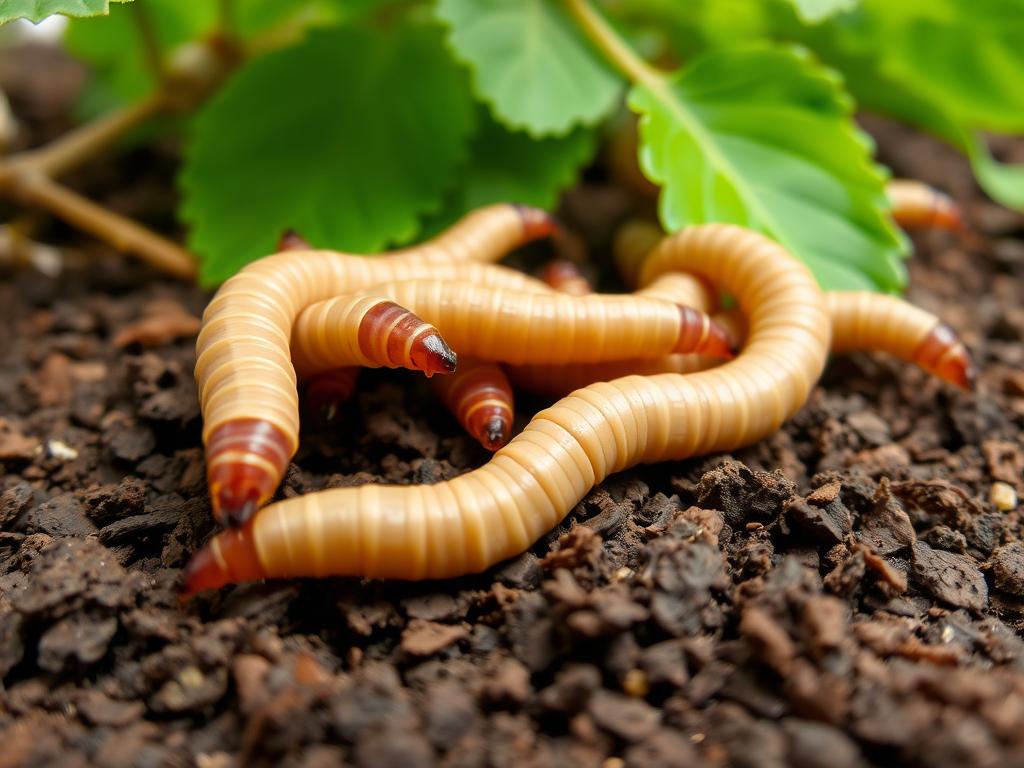
Mealworms have long been surrounded by misconceptions and misunderstandings. As the popularity of edible insects grows, it’s crucial to distinguish fact from fiction. This article aims to shed light on mealworm nutrition, safety, and sustainability. We aim to dispel the “ick factor” and promote this environmentally-friendly protein alternative.
Key Takeaways
- Mealworms are not dirty or unhygienic, and they are safe to consume when properly handled and prepared.
- Mealworms are a highly nutritious food source, offering a wealth of protein, healthy fats, and essential vitamins and minerals.
- Insect farming, including mealworm production, is a sustainable and environmentally-friendly method of obtaining protein compared to traditional livestock farming.
- Mealworms are becoming increasingly popular as a food source and pet treat, thanks to their versatility and growing acceptance in the culinary world.
- Understanding the facts about mealworms can help overcome the “ick factor” and encourage more people to embrace this innovative protein alternative.
Common Myths and Misconceptions About Mealworms
Many people believe mealworms are dirty or unsafe to eat. Yet, these beliefs are largely unfounded. We aim to debunk these myths and provide facts about mealworms’ cleanliness and safety as a food source.
Myth 1: Mealworms Are Dirty and Unhygienic
Mealworms are actually clean and hygienic. Mealworm farms are meticulously maintained. They are raised in controlled environments that focus on cleanliness and food safety.
Mealworms are fed a specialized diet. This diet ensures they are free from contaminants and pesticides. Thus, they are a safe and wholesome food option.
Myth 2: Mealworms Are Unsafe to Eat
Another misconception is that mealworms are unsafe to consume. In reality, mealworms are nutritious and safe, provided they come from reputable sources and are properly prepared. They are rich in protein, healthy fats, and essential vitamins and minerals.
With proper handling and cooking, mealworms can be enjoyed safely. They are a valuable addition to a balanced diet.
By debunking these myths, we hope to encourage more people to try mealworms and other edible insects. Mealworms offer a sustainable and delicious alternative to traditional protein sources, focusing on safety, hygiene, and nutritional value.
“Mealworms are not only clean and safe, but they are also a highly nutritious food source that can be a valuable part of a balanced diet.”
The Truth About Mealworm Nutrition
Mealworms are often overlooked as a nutritious food source, but they are actually packed with protein, healthy fats, and essential vitamins and minerals. This often-misunderstood edible insect offers a wealth of benefits that make it a valuable addition to a balanced diet.
Firstly, mealworms are an excellent source of protein. They contain a high percentage of complete, bioavailable protein, making them a great option for those looking to increase their protein intake, whether as part of a plant-based diet or as a supplement to a traditional diet. Additionally, mealworms are rich in healthy fats, including omega-3 and omega-6 fatty acids, which are essential for maintaining overall health and well-being.
In terms of vitamins and minerals, mealworms are a treasure trove. They are particularly high in B vitamins, such as B12 and folate, as well as iron, zinc, and calcium. These nutrients play vital roles in supporting the body’s immune system, energy production, and bone health, among other important functions.
| Nutrient | Amount per 100g of Mealworms |
|---|---|
| Protein | 20.3g |
| Fat | 13.8g |
| Carbohydrates | 5.7g |
| Fiber | 3.1g |
| Iron | 6.7mg |
| Zinc | 3.1mg |
| Vitamin B12 | 0.5μg |
With their impressive nutritional profile, it’s clear that mealworms are a highly beneficial edible insect that deserve more recognition and incorporation into our diets. By understanding the truth about their nutrition, we can embrace the many advantages they offer and explore ways to incorporate them into our everyday lives.
Mealworms as Sustainable Protein Sources
The quest for sustainable protein sources has led to the discovery of mealworms. Insect farming, especially the cultivation of mealworms, presents environmental and nutritional benefits. These advantages make it a viable option compared to traditional livestock farming.
Environmental Benefits of Insect Farming
Insect farming has a lower environmental impact than traditional livestock. Mealworms need less land, water, and feed to produce protein. This makes them a more resource-efficient choice. Moreover, they emit fewer greenhouse gases, reducing the carbon footprint.
Nutritional Advantages of Mealworms
- High in protein, with a protein content ranging from 20% to 35% on a dry weight basis.
- Rich in essential vitamins and minerals, including iron, zinc, and B vitamins.
- Contain beneficial fatty acids, such as omega-3 and omega-6, which are important for overall health.
Compared to beef or chicken, mealworms are more nutrient-dense and environmentally friendly. They are an attractive option for those looking to add sustainable protein to their diets.
Debunking the Ick Factor: Why Entomophagy Is Gaining Popularity
The idea of eating insects, or entomophagy, often sparks unease. Yet, it’s gaining traction globally as people discover its benefits. This shift is driven by a growing appreciation for its environmental and nutritional merits.
Insects are more eco-friendly than traditional livestock, requiring less water and carbon emissions. They are also rich in protein, healthy fats, vitamins, and minerals. This knowledge is making entomophagy more appealing to many.
The availability of insect-based products is also playing a role. From protein bars to roasted mealworms, options are expanding. This variety encourages more individuals to try insects in their diet.
Global cuisines, which often include insects, are also contributing to this trend. Exposure to diverse culinary traditions makes people more open to entomophagy. This curiosity is driving the acceptance of insects as food.
“The more we learn about the nutritional and environmental benefits of eating insects, the more we realize that the ‘ick factor’ is largely a cultural construct that we can overcome.”
The increasing popularity of entomophagy shows a broader societal shift. People are embracing sustainable and innovative food sources. As we delve deeper into the potential of edible insects, the “ick factor” may soon fade away.
Mealworms for Pets: A Healthy and Nutritious Treat
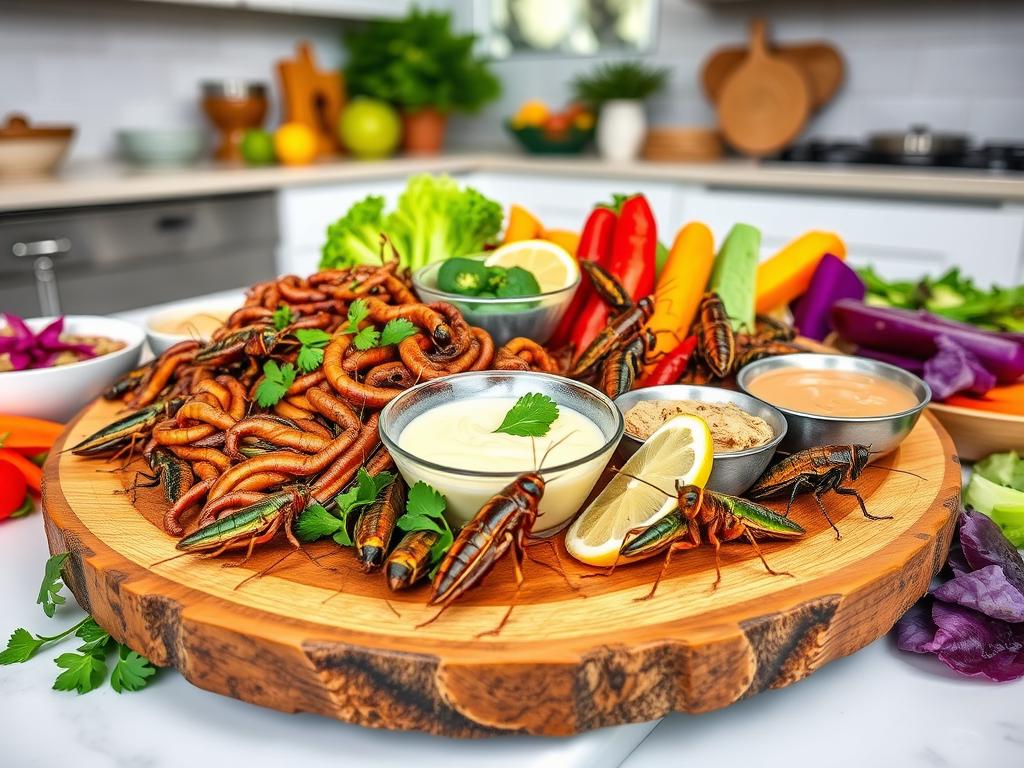
Mealworms are not just a nutritious food for humans; they’re also a favorite treat for pets, especially reptiles and birds. Adding mealworms to their diets can greatly enhance their health and well-being.
Benefits of Mealworms for Reptile and Bird Diets
Mealworms are a rich source of protein, fat, and vital nutrients for reptiles and birds. These insects are loaded with:
- High-quality protein for muscle growth and development
- Healthy fats for energy and insulation
- Calcium and minerals for strong bones and eggshell formation
- Vitamins A and B for overall health and immune function
Introducing mealworms for pets into your reptile or bird’s diet ensures a balanced, nutritious meal. They serve as an excellent feeder insects and insect pet food choice, fitting seamlessly into their regular diet.
Reptiles and birds find mealworms irresistible, making them a delightful treat. Offering this nutritious snack supports their health and provides a tasty, enriching experience.
Delicious and Versatile: Exploring Mealworm Recipes
Mealworms are not just for novelty; they can be used in a variety of tasty and versatile recipes. By diving into the world of mealworm recipes, you not only introduce new flavors to your meals. You also embrace the practice of entomophagy, which involves eating edible insects.
Mealworm Flour: A Gluten-Free Alternative
Mealworm flour is a game-changer for those looking for gluten-free options. It’s rich in protein, fiber, and nutrients, making it a healthy and eco-friendly choice for baking and cooking. Whether you’re making gluten-free muffins, pancakes, or savory dishes, mealworm flour’s versatility is unmatched.
| Nutrient | Mealworm Flour | Wheat Flour |
|---|---|---|
| Protein | 20g per 100g | 12g per 100g |
| Fiber | 6g per 100g | 3g per 100g |
| Iron | 8mg per 100g | 4mg per 100g |
Discover the vast possibilities of mealworm recipes and see how these nutritious insects can transform your cooking. Whether you’re interested in using mealworm flour or whole mealworms in your dishes, entomophagy offers a delicious and sustainable option.
“Embracing mealworm recipes opens up a world of culinary adventure and nutritional benefits.”
The Fascinating World of Insect Farming
Insect farming is rapidly evolving, providing innovative solutions for sustainable protein needs. Mealworms, a versatile and nutritious insect, are gaining popularity as a sustainable alternative to traditional animal-based proteins. This shift highlights the potential of insect farming in meeting the growing demand for sustainable food sources.
Sustainable Practices in Mealworm Production
Mealworm farming employs sustainable practices, making it an eco-friendly and resource-efficient option. These insects require significantly less land, water, and feed compared to traditional livestock. This makes them a more sustainable choice for the environment. Moreover, mealworms can thrive on a diverse range of organic waste materials, effectively upcycling what would otherwise be considered waste.
The production process of mealworms is designed with sustainability in mind. Advanced rearing techniques, including controlled temperature and humidity conditions, ensure optimal growth and minimize environmental impact. The use of renewable energy sources, such as solar power, in mealworm farms further enhances their sustainability credentials.
| Sustainable Practices in Mealworm Production | Benefits |
|---|---|
| Resource-efficient Rearing | Requires less land, water, and feed compared to traditional livestock |
| Upcycling Organic Waste | Mealworms thrive on a diverse range of organic waste materials |
| Controlled Environmental Conditions | Optimized temperature and humidity for efficient growth |
| Renewable Energy Sources | Use of solar power and other renewable energy in mealworm farms |
As the demand for sustainable protein sources continues to grow, the insect farming industry, particularly mealworm production, is set to play a crucial role. By embracing sustainable practices, the fascinating world of insect farming offers a promising solution for the future of insect farming, sustainable protein sources, and mealworm production.
Overcoming Cultural Barriers: Embracing Edible Insects
The acceptance of edible insects, such as mealworms, is often hindered by cultural and societal norms. Yet, a growing movement is pushing to encourage more people to try entomophagy, the practice of eating insects. This movement aims to highlight the benefits of adding edible insects to our diets.
The “ick factor” is a major hurdle, making people think insects are unclean or unsuitable for eating. This belief stems from a lack of knowledge about the safety and nutritional value of edible insects. Educational efforts and tasty insect-based recipes are helping to change these views. They show the culinary versatility of entomophagy.
Cultural stigma against eating insects is another barrier, deeply ingrained in some regions and communities. To overcome this, we need a comprehensive approach. This includes:
- Highlighting the environmental and sustainability benefits of insect farming
- Showcasing the positive nutritional profile of mealworms and other edible insects
- Promoting innovative and appealing insect-based food products
- Fostering cross-cultural dialogues and exchanges to share the successes of entomophagy in different regions
As more people explore the benefits of edible insects in their diets, cultural barriers to entomophagy are slowly disappearing. By embracing the nutritional and environmental advantages of this sustainable protein, we can create a more diverse and inclusive food system.
Conclusion
This article has shown that many myths about mealworms are not true. By learning the facts, you can make better choices about using mealworms in your diet or for pets. These insects are not only nutritious but also good for the environment, offering a sustainable protein option.
Mealworms are not dirty or unhealthy, as some believe. They are packed with protein, healthy fats, and vitamins and minerals. This makes them a great addition to both human and animal diets.
Insect farming is also becoming more sustainable, producing mealworms on a larger scale. As more people start eating insects, it’s crucial to break down cultural barriers. This way, we can fully benefit from this innovative food source.
FAQ
Are mealworms dirty and unhygienic?
Mealworms are not inherently dirty or unhygienic. Proper farming and handling make them a clean, safe food source. Reputable producers follow strict hygiene protocols, ensuring their products meet food safety standards.
Is it unsafe to eat mealworms?
Mealworms are generally safe for human consumption from reliable suppliers. They do not pose significant health risks. They are also a nutritious addition to a balanced diet.
What are the nutritional benefits of mealworms?
Mealworms are rich in protein, healthy fats, and essential vitamins and minerals. They are a great source of nutrients like vitamin B12, iron, and calcium. This makes them a valuable part of a balanced diet.
How are mealworms a sustainable protein source?
Insect farming, including mealworms, is more sustainable than traditional livestock farming. Mealworms need less land, water, and feed to produce the same protein. This makes them a promising alternative to traditional protein sources.
Why is entomophagy (the consumption of insects) gaining popularity?
Entomophagy is becoming more accepted globally. Awareness of edible insects’ benefits, like mealworms, is growing. As people learn about their environmental and nutritional advantages, the “ick factor” is fading.
How can mealworms be used as a healthy treat for pets?
Mealworms are a nutritious treat for pets, especially reptiles and birds. They offer protein, healthy fats, and essential nutrients. These nutrients contribute to the well-being of these animals.
What are some delicious ways to incorporate mealworms into recipes?
Mealworms can be used in various creative, delicious recipes. They can be ground into mealworm flour, a gluten-free alternative. From savory dishes to sweet treats, mealworms add nutrition and versatility to your cooking.
How are mealworms produced in a sustainable way?
Modern mealworm production focuses on sustainability. Farmers use renewable energy, recycle waste, and optimize feed efficiency. These practices minimize environmental impact, ensuring sustainable mealworm farming.