Can Mealworms Infest Your House?
Mealworms are fascinating creatures, often used as food for pets and as composting agents. But what happens when these critters end up in your house? Can mealworms infest your home? This comprehensive guide dives deep into understanding whether mealworms pose an infestation risk, how to prevent such scenarios, and what to do if you find them inside.
Introduction
Mealworms are commonly associated with organic pet food and eco-friendly composting. While they serve many beneficial purposes, finding them in your house can raise concerns. Can mealworms truly infest your home, or are they harmless wanderers? Let’s explore.
What Are Mealworms?
Mealworms are the larval stage of the darkling beetle, scientifically known as Tenebrio molitor. These small, yellowish-brown larvae thrive in dark, warm environments and are valued for their high protein content. They’re often used as pet food or for composting organic waste.
Can Mealworms Survive Indoors?
Conditions Needed for Survival
Mealworms need specific conditions to survive indoors:
- They need warm temperatures (70–80°F).
- They require access to food, such as grains or pet food.
- Mealworms like dark and humid environments.
Common Indoor Hiding Spots
Mealworms often hide in:
- Pantry shelves
- Pet food storage areas
- Cracks in flooring
- Damp basements
What Attracts Mealworms to Houses?
Food Sources
Mealworms are drawn to improperly stored food such as:
- Grain-based products
- Cereals
- Pet food bags left open
Storage and Cleanliness Issues
Cluttered storage spaces or lack of cleaning can create ideal conditions for mealworms to thrive.
Do Mealworms Cause Damage Indoors?
While mealworms are not as destructive as termites or rodents, they can still cause issues:
- Food Storage Damage: Contaminating grains, cereals, or pet food. Normally they can eat most of vegetables and fruits.
- Fabric and Furniture: Rarely, they may chew through soft materials.
Can Mealworms Infest a House?
Although mealworms are not aggressive infesters, they can multiply if conditions are ideal. And in the suitable conditions they can multiply themselves very quickly. Infestations are more likely when:
- Food sources are abundant.
- Cleaning routines are inconsistent.
Signs of Infestation
- Seeing larvae in food storage areas.
- Finding shed skins or frass (waste).
- Spotting adult beetles near dark areas.
How to Prevent Mealworm Infestations
Proper Food Storage
- Use airtight containers for grains and pet food.
- Regularly inspect stored food for signs of larvae.
Regular Cleaning Routines
- Vacuum pantry shelves.
- Dispose of expired food.
Sealing Entry Points
- Seal cracks in walls and windows.
- Repair any damaged screens.
Natural Remedies for Preventing Mealworms
Essential Oils and Repellents
Peppermint and eucalyptus oils can deter mealworms when applied near storage areas.
DIY Traps
Create sticky traps using tape or adhesive strips to catch wandering mealworms.
What to Do if Mealworms Infest Your House
- Identify Infested Areas: Check pantries, pet food storage, and dark corners.
- Dispose of Contaminated Food: Seal and discard it properly.
- Thorough Cleaning: Vacuum and sanitize affected areas.
- Set Preventive Measures: Store food securely and maintain cleanliness.
Are Mealworms Harmful to Humans?
Mealworms are generally harmless but may pose risks if:
- Consumed accidentally in contaminated food.
- Allergies to their waste or skins are triggered.
The Bright Side of Mealworms
Mealworms aren’t all bad! They are:
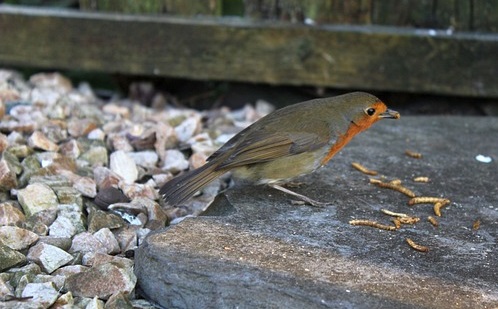
- A Sustainable Food Source: High in protein and environmentally friendly. So, most of the pet animals and birds like mealworms to eat.
- Great for Composting: Helping break down organic waste efficiently.
Conclusion
Mealworms are unlikely to become a major infestation in your home unless conditions are perfect for their survival. By taking preventive measures and maintaining a clean environment, you can keep these critters at bay. If they do show up, quick action can easily resolve the problem.
FAQs
1. How do I identify mealworms in my house?
Look for small, yellowish-brown larvae in dark, humid areas near food sources.
2. Are mealworms harmful to pets if found indoors?
No, mealworms are safe and often used as pet food. However, ensure they are not contaminated.
3. What are the best ways to store pet food to avoid mealworms?
Use airtight containers and keep food in cool, dry places.
4. Can mealworms escape from their containers and infest my home?
Yes, if containers are not sealed properly, mealworms may escape and find food sources indoors.
5. What is the difference between mealworms and superworms?
Superworms are larger and require different care, while mealworms are smaller and easier to handle.