How to Attract Birds Through Mealworms: A Comprehensive Guide
Table of Contents
- Introduction
- Understanding the Benefits of Mealworms for Birds
2.1. Nutritional Value of Mealworms
2.2. Types of Birds Attracted - Choosing the Right Mealworms
3.1. Live vs. Dried Mealworms
3.2. Quality Considerations - Creating a Bird-Friendly Environment
4.1. Providing Adequate Shelter
4.2. The Importance of Clean Water
4.3. Safe Feeding Areas - Selecting the Right Feeders
5.1. Mealworm Feeders
5.2. Incorporating Mealworms in Existing Feeders - Feeding Techniques for Maximum Attraction
6.1. Scattering Mealworms
6.2. Mixing Mealworms with Seed Mixes
6.3. Using Suet Feeders - Overcoming Potential Challenges
7.1. Pests and Hygiene
7.2. Seasonal Considerations - Observing and Enjoying Bird Behavior
8.1. Identifying Bird Species
8.2. Capturing Moments with Binoculars or Cameras - Sustainability and Ethical Considerations
9.1. Sourcing Mealworms Responsibly
9.2. Monitoring and Adjusting Feeding Practices - Conclusion
Introduction
Attracting birds to your backyard can be a rewarding experience, and one effective way to achieve this is by using mealworms. These small, nutritious larvae can entice a variety of bird species to visit your feeding stations. In this guide, we’ll explore the benefits of using mealworms, how to choose the right ones, create a bird-friendly environment, and much more.
Understanding the Benefits of Mealworms for Birds
2.1 Nutritional Value of Mealworms
Mealworms are packed with essential nutrients that provide birds with the energy and sustenance they need. Rich in protein and fat, these tiny morsels offer a well-rounded nutritional boost, especially during demanding times such as breeding seasons or harsh weather conditions.
2.2 Types of Birds Attracted
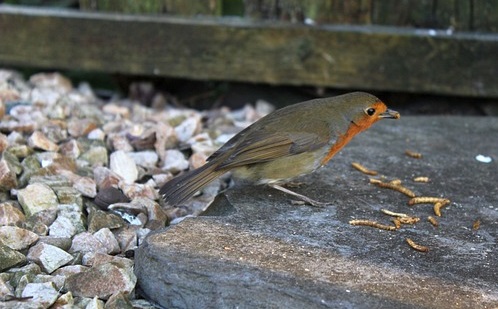
Different bird species are attracted to mealworms, ranging from bluebirds and robins to chickadees and thrushes. Understanding the preferences of local birds can help tailor your bird-feeding strategy for optimal results.
Choosing the Right Mealworms
3.1 Live vs. Dried Mealworms
Deciding between live and dried mealworms depends on your preferences and the needs of your feathered visitors. Live mealworms may be more appealing to certain species, while dried ones offer convenience and a longer shelf life.
3.2 Quality Considerations
Opting for high-quality mealworms ensures that your avian guests receive the best nutritional value. Consider factors such as freshness, color, and source when selecting mealworms.
Creating a Bird-Friendly Environment
4.1 Providing Adequate Shelter
Birds feel more comfortable and secure when there are suitable shelters in the vicinity. Planting native trees and shrubs provides natural cover, while birdhouses or roosting boxes offer additional protection. Ensure these structures are well-maintained and strategically placed to encourage birds to frequent your yard.
4.2 The Importance of Clean Water
Water is essential for birds, not just for drinking but also for bathing. Consider placing a bird bath in your garden to provide a clean and accessible water source. Regularly clean and refill it to ensure hygiene, attracting a broader range of bird species.
4.3 Safe Feeding Areas
Minimize potential hazards for birds while they feed. Keep feeders away from windows to prevent collisions, and place them in open areas where birds can easily spot approaching predators. Creating a safe environment ensures birds can focus on enjoying the mealworms without unnecessary stress.
Continuing to prioritize these aspects of a bird-friendly environment will enhance the overall attractiveness of your yard to various bird species. Incorporating shelters, clean water sources, and safe feeding areas complements the appeal of mealworms and creates a welcoming habitat for your feathered friends.
Selecting the Right Feeders
5.1 Mealworm Feeders
Investing in specialized mealworm feeders ensures that these tasty treats are easily accessible to birds while minimizing waste and mess. Choose feeders with appropriate spacing and protection to accommodate different bird sizes and keep the mealworms dry.
5.2 Incorporating Mealworms in Existing Feeders
If you already have bird feeders in your yard, consider adding mealworms to the mix. Mixing them with seed blends or placing them in suet feeders can attract a broader range of bird species and diversify your backyard bird community.
Feeding Techniques for Maximum Attraction
6.1 Scattering Mealworms
Scattering mealworms on the ground or on flat surfaces mimics a natural foraging environment for ground-feeding birds like sparrows, towhees, and juncos. Ensure the area is open and safe from potential predators.
6.2 Mixing Mealworms with Seed Mixes
Integrate mealworms into your regular birdseed mixes to attract a wider variety of birds. The combination of seeds and mealworms provides a balanced diet, appealing to both seed-eating and insectivorous species.
6.3 Using Suet Feeders
Suet feeders filled with a mixture of suet and mealworms can be particularly enticing to insect-loving birds like woodpeckers, nuthatches, and wrens. Hang these feeders in secure locations to accommodate clinging birds.
Overcoming Potential Challenges
7.1 Pests and Hygiene
Regularly clean your feeders to prevent the buildup of mold or bacteria, ensuring a healthy environment for visiting birds. Be mindful of pests like ants or raccoons and employ appropriate measures to deter them.
7.2 Seasonal Considerations
Adjust your mealworm offerings based on the seasons. During colder months, birds may appreciate the extra energy from mealworms, while in warmer weather, natural insect availability may reduce their interest.
Observing and Enjoying Bird Behavior
8.1 Identifying Bird Species
Take time to learn about the different bird species that visit your mealworm feeders. Use field guides or bird identification apps to enhance your birdwatching experience.
8.2 Capturing Moments with Binoculars or Cameras
Enhance your birdwatching by investing in a pair of binoculars or a camera with a good zoom lens. Capture the beauty of birds up close and create lasting memories.
Sustainability and Ethical Considerations
9.1 Sourcing Mealworms Responsibly
Consider the source of your mealworms, opting for suppliers that prioritize ethical and sustainable practices. This ensures the well-being of both the birds and the environment.
9.2 Monitoring and Adjusting Feeding Practices
Regularly assess the bird activity in your yard and adjust your feeding practices accordingly. This flexibility allows you to cater to the changing needs of the bird population in your area.
Conclusion
Attracting birds through mealworms is not only about providing nourishment but also about creating a vibrant and dynamic ecosystem in your backyard. For many of you, it would be a delightful and fulfilling hobby that brings nature closer to home. By implementing these strategies, you can turn your outdoor space into a haven for a diverse array of bird species. Enjoy the wonders of nature as you observe their behaviors, capture moments, and contribute to the well-being of your feathered friends. Happy birdwatching!